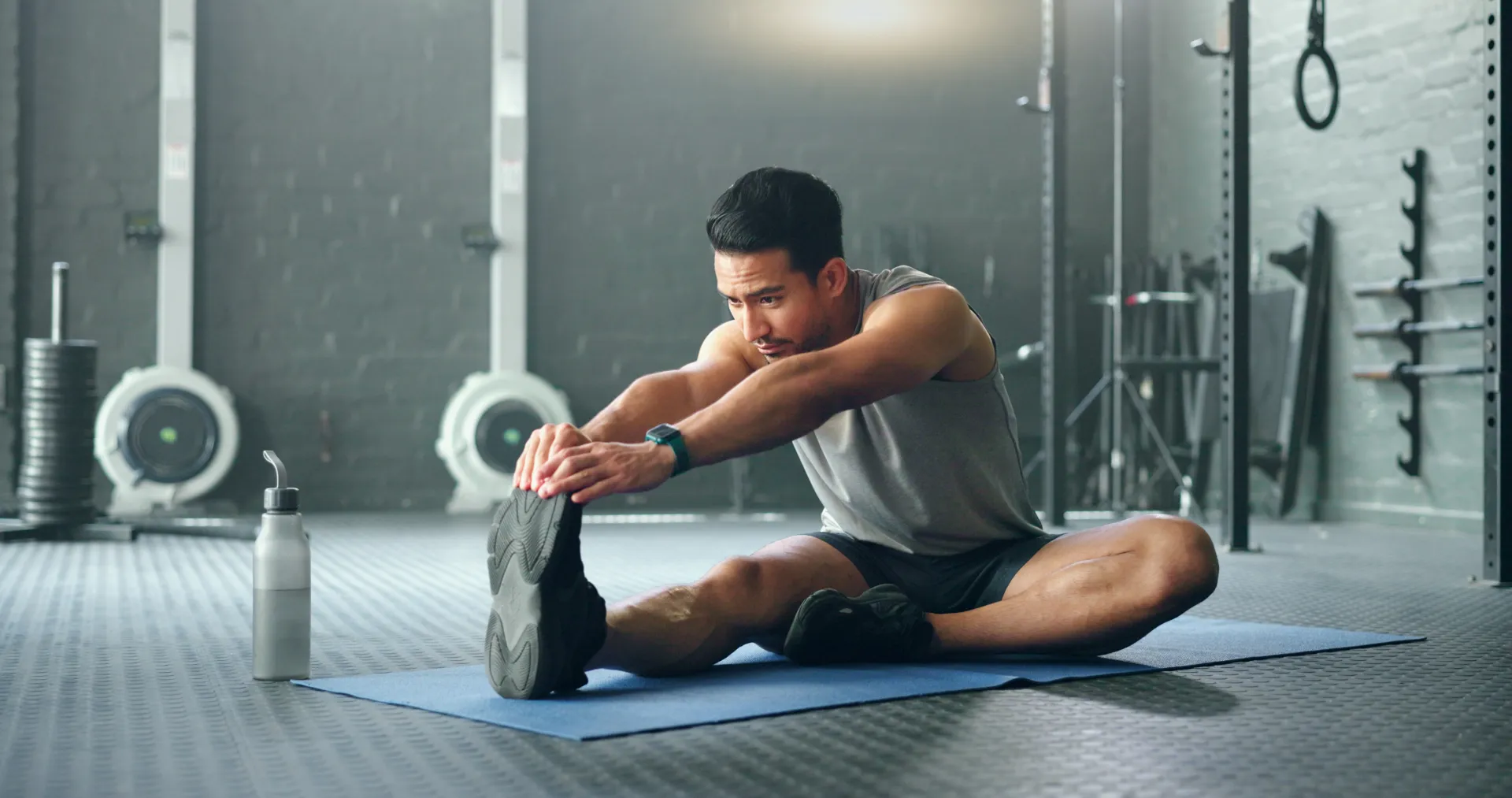
Stretching is often seen as an optional part of an exercise routine. However, when performed correctly, it plays an important role in preparing your body for physical activity and supporting recovery afterward.
So, is stretching before and after a workout really necessary? The answer depends on the type of stretching you perform and your fitness goals.
Dynamic Stretching Before Exercise
Dynamic stretching involves controlled, active movements that increase your body temperature and prepare your muscles and joints for exercise.
Some common dynamic stretches include:
Leg Swings
Arm Circles
Walking Lunges
High Knees
Hip Rotations
Dynamic stretching helps increase blood flow, improve joint mobility, and prepare your body for higher-intensity movements. It's an ideal way to warm up before strength training, running, or other physical activities.
Static Stretching After Your Workout
Unlike dynamic stretching, static stretching involves holding a stretch for 15–30 seconds without movement.
Common examples include:
Hamstring Stretch
Quadriceps Stretch
Calf Stretch
Shoulder Stretch
Chest Stretch
Static stretching is best performed after exercise as part of your cool-down routine. It helps restore muscle length, reduce stiffness, and promote relaxation after physical activity.
Benefits of Stretching for Exercise Performance
When performed at the right time, stretching offers several important benefits, including:
Improves flexibility and overall mobility
Prepares the body for physical activity
Supports proper exercise technique and movement quality
Reduces muscle tightness after workouts
Although stretching alone won't dramatically improve athletic performance, it remains an important part of a well-balanced fitness routine.
Can Stretching Prevent Injuries?
Stretching is not a guarantee against injuries. However, when combined with a proper warm-up, correct exercise technique, and gradual progression in training intensity, stretching can help reduce the risk of injuries related to limited mobility or excessive muscle tightness.
Maintaining good flexibility and joint mobility can also improve movement efficiency during exercise, making workouts feel more comfortable and controlled.
Conclusion
Before exercising, dynamic stretching is the most effective way to prepare your body for movement. After your workout, static stretching is recommended as part of your cool-down routine to promote recovery and reduce muscle stiffness.
By incorporating the right type of stretching into your fitness routine, you can improve mobility, exercise more comfortably, and support your body's recovery process after every workout.